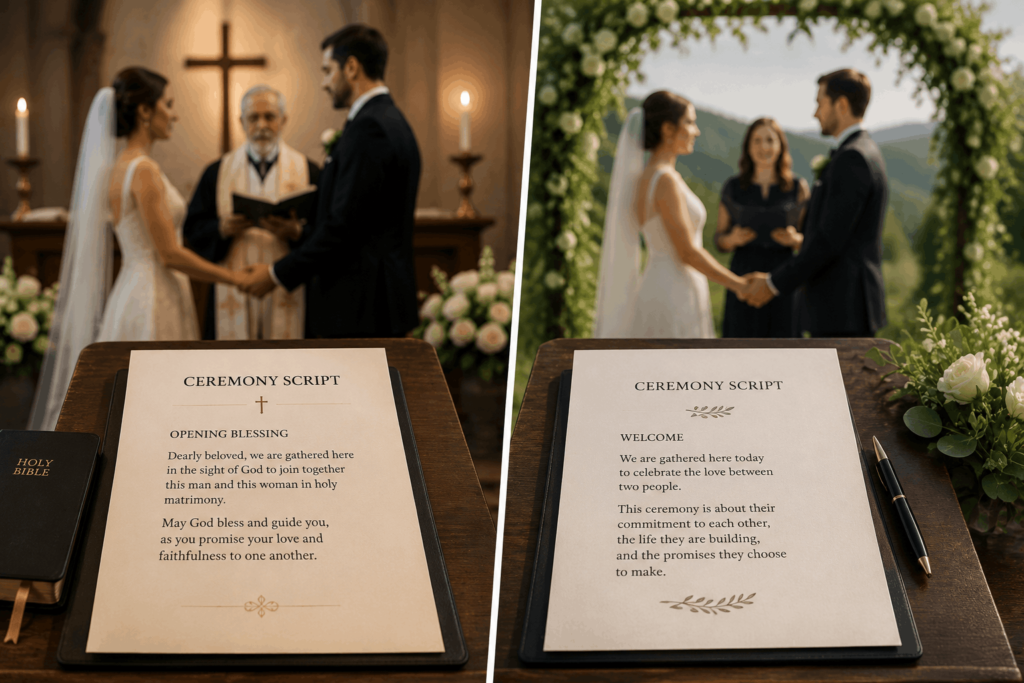
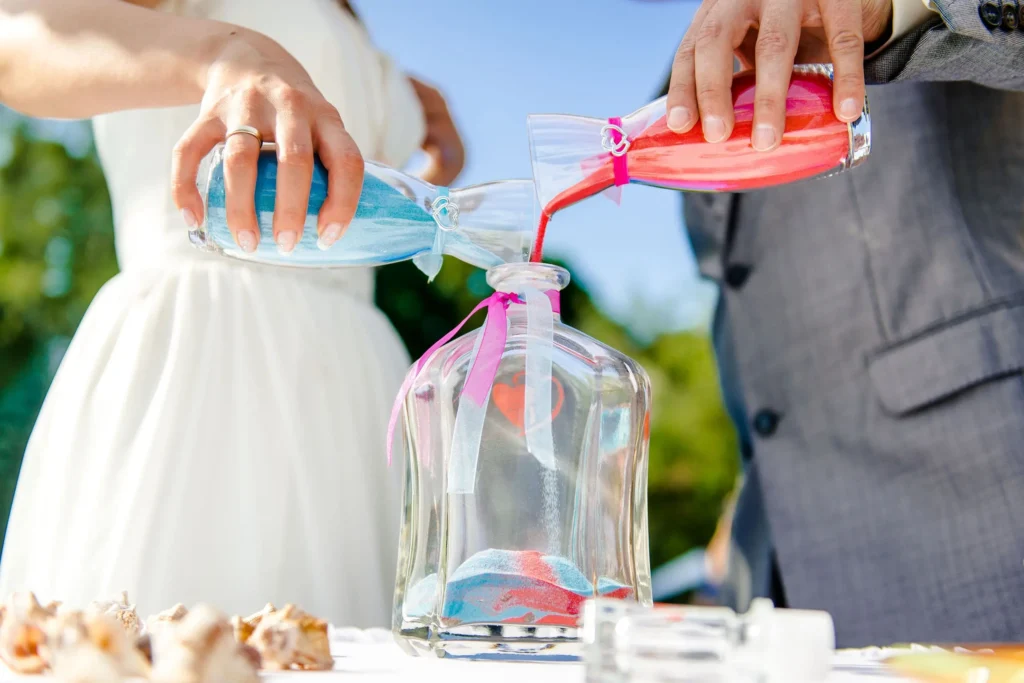
The ceremony starts before you say a word.
The little things you do before and during the wedding are what make you look like you’ve done this before.
Most first time officiants spend nearly all their preparation time on the script. I get it. The script feels like the job.
But once you arrive at the venue, you’re also working with the DJ, photographer and coordinator, calming nerves, keeping track of rings and vows, watching the room, and solving little problems before the couple ever knows there was one.
After more than 1,000 weddings, these are the things I pay attention to.
Do a real sound check
Don’t tap the microphone and call it good.
Stand where you’ll actually stand and speak at the volume you’ll use during the ceremony. Do it before guests are seated so the first time you hear your amplified voice isn’t with everyone watching.
Find a volume that feels comfortable. Hearing yourself too loud is distracting, especially when you’re already a little nervous.
Practice the parts the couple repeats after you
If the couple is repeating vows after you, run a few lines with them beforehand.
Keep the chunks short. If they forget half a paragraph, that’s an officiant problem, not a bride or groom problem.
A quick practice lets them hear your cadence once before 100 people are staring at them, and it gives you a chance to remind them that there’s no hurry.
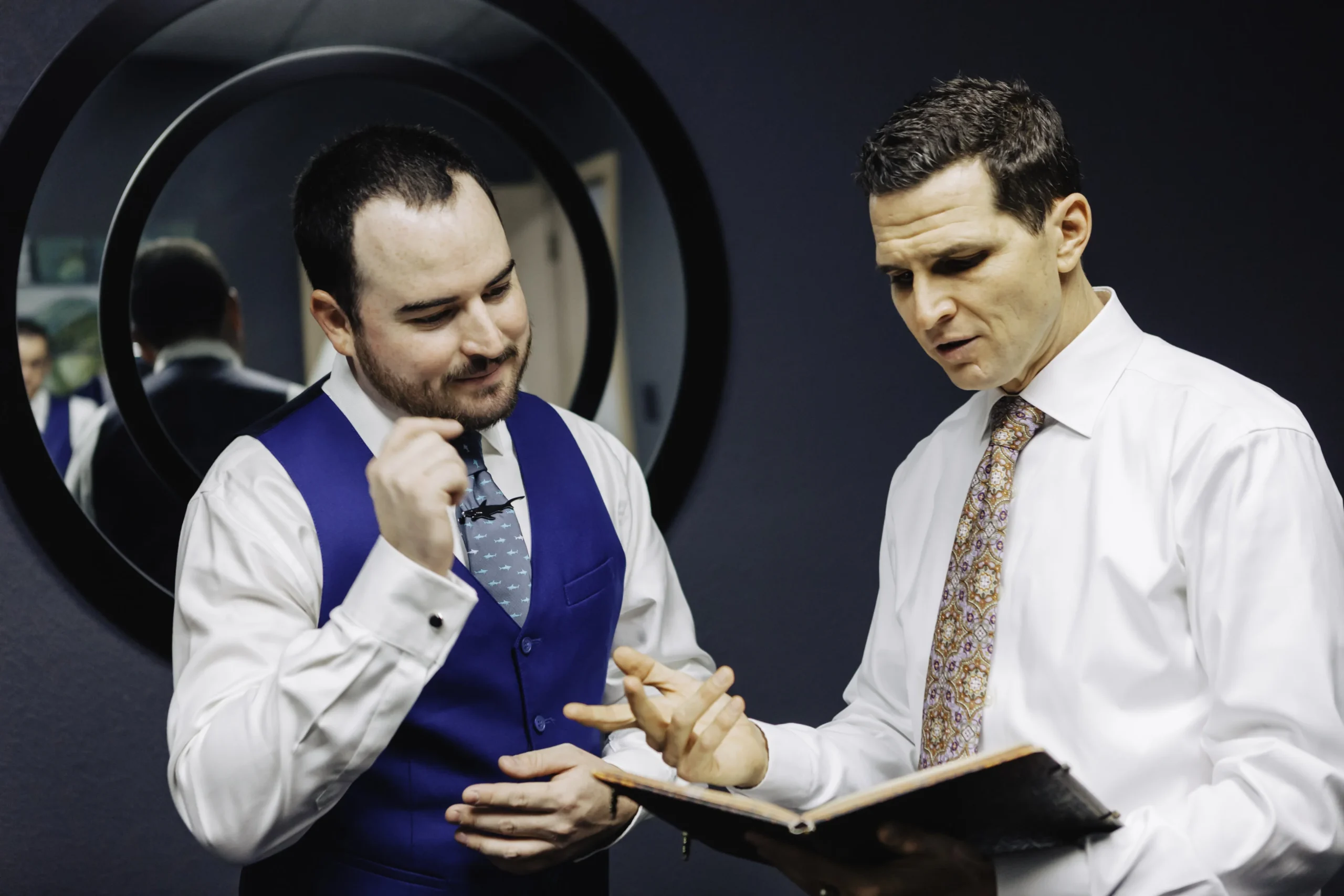
Know who has the rings
This sounds obvious right up until the ring exchange begins and three people start checking their pockets.
Know who has the rings. Know where that person will be standing. If a child is carrying them, find out whether they’re carrying the actual rings or ceremonial ones while an adult keeps the real rings safe.
Five seconds of checking before the ceremony is easier than turning the ring exchange into a search party.
Carry tissues and mints
I keep tissues in my pocket for the couple. If one of them starts crying, quietly hand one over. You don’t need to comment on the tears or turn them into a moment.
I also bring mints and offer them while everyone is lining up. It’s a tiny thing, but people remember the person who makes their day easier.
Stop thinking about yourself once the ceremony starts
You did the preparation already. Now look up, speak to the people in front of you and pay attention to what’s actually happening.
Practice enough that you can look down, grab the next thought and look back up. You don’t have to memorize the ceremony. You do have to make it feel like you’re talking to the couple instead of reading a document at them.
A two second pause will feel enormous to you and completely normal to everyone listening.
Slow down more than feels natural
Nerves make almost everyone speed up.
I squeeze my feet inside my shoes, take a full breath and give myself two seconds before the next thought. Nobody in the audience knows what I’m doing. They just see someone who looks calm and present.
Confident posture and a real smile do a lot of the work too. People can tell when you’re present and when you’re just trying to get through the words.
Let the room react
If something gets a laugh, don’t step on it. If the couple gets emotional, give them a second. If a guest reader finishes and needs time to return to their seat, applause can be the cleanest transition you’ve got.
I usually call for a round of applause after a guest reader. It kills the dead air and lets them get back to their seat without feeling like everyone is silently watching them walk.
Work with the photographer, DJ and coordinator
Wedding vendors are standing ten feet away when rookie officiant mistakes happen. You’re all trying to give the couple the same thing: a smooth day.
If I know the vendors’ names before I arrive, I use them. Walking up and saying, “Hi Jane, I’m Matt, the officiant” immediately feels different than “Hey, are you the photographer?”
Ask the photographer and videographer if they need anything from you. Ask the DJ about the microphone and who is making the announcement after the ceremony. If there’s a coordinator, find out where they want you and whether anything changed.
Get out of the kiss photo
Once you pronounce them married and cue the kiss, take a couple steps to the side.
It takes almost no effort and gives the photographer a clean image of the couple without your face directly behind them.
What should a wedding officiant wear?
Ask the couple what they want. If they don’t have a preference, dress like you belong in their wedding photos without becoming the most noticeable person in them.
I ask about the wedding colors and often coordinate my tie. It’s a tiny detail, but couples and guests notice it.
Whatever you wear should also let you comfortably hold your ceremony, manage a microphone and move out of the way without constantly adjusting yourself.
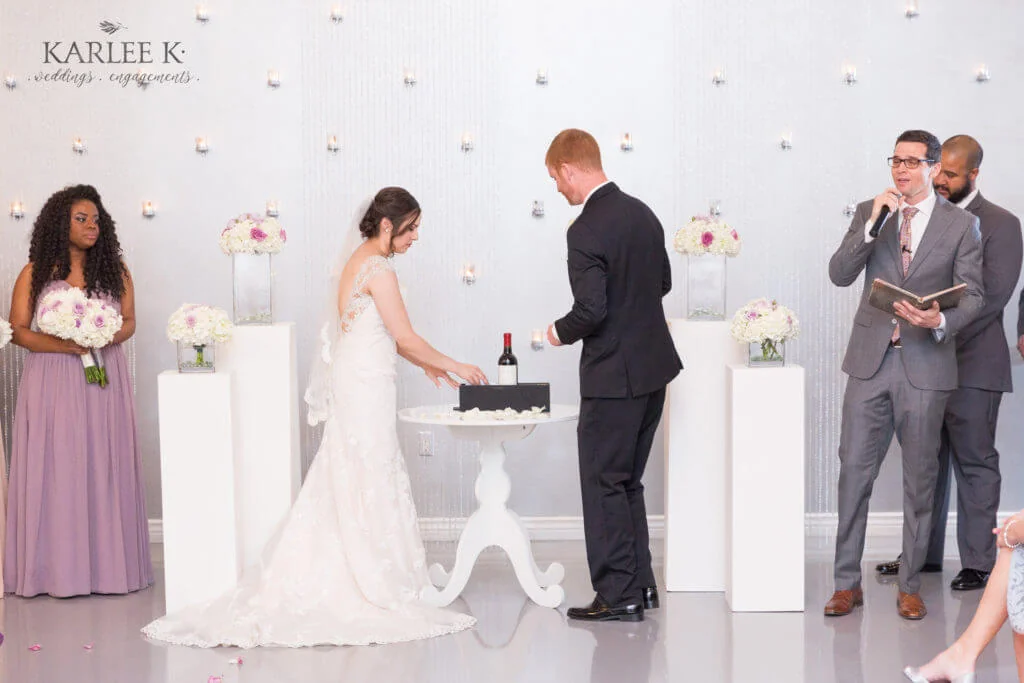
Pay attention when something changes
Babies cry. Wind blows things over. Someone drops a ring. I’ve had a groomsman faint three times during one ceremony and a bride throw up from nerves just after reaching the front.
You can’t prepare a script for every possible surprise. You can prepare enough that you’re able to look up from the page, see what’s happening and deal with the wedding that’s actually taking place.
If something unexpected does happen, don’t panic and don’t make it bigger than it needs to be. I have separate guides for handling ceremony distractions and what to do when someone faints or throws up.
The real goal is to make the ceremony feel easy
The couple shouldn’t know you’re keeping track of the rings, watching the photographer, listening for the DJ, making sure a nervous reader gets back to their seat, or deciding whether the crying baby is becoming a real distraction.
They should just feel like the ceremony is moving naturally.
That’s what experience eventually teaches you. You’re doing a dozen little things at once, but none of them should look like a dozen little things.
Get the rehearsal guide
The rehearsal is where you can solve a lot of wedding day problems before they happen. Enter your email and I’ll send you my printable guide plus practical officiant tips and wedding day advice.
Download rehearsal guide
No spam. Unsubscribe anytime.
What to read next
Want the ceremony material I actually use?
My ceremony material gives you more than 70 selections including readings, vows, ring exchanges, unity ceremonies and pronouncements. Pick what fits the couple, change what needs changing and build a ceremony that sounds natural coming out of your mouth.
Wedding officiant tips and common questions
What should a wedding officiant do before the ceremony starts?
Arrive early, meet the coordinator and other vendors, do a real sound check, confirm who has the rings, practice repeat-after-me vows with the couple and make sure everyone with a ceremony role knows what they’re doing.
Should the officiant do a sound check?
Yes. Stand where you’ll actually stand and speak at the volume you’ll use during the ceremony. Do it before guests are seated so you can adjust the microphone without an audience.
How can an officiant stay calm during the ceremony?
Preparation helps most. During the ceremony, slow down, breathe fully and give yourself a brief pause between thoughts. I also squeeze my feet inside my shoes as a simple way to stay grounded and present.
Should a wedding officiant move during the first kiss?
Yes. After you pronounce the couple married and cue the kiss, take a couple steps to the side so the photographer can get a clean image without the officiant directly behind them.
What should a wedding officiant wear?
Ask the couple first. If they don’t have a preference, dress professionally and in a way that fits the wedding without drawing attention away from the couple. I also ask about their colors and often coordinate my tie.